Creating Watercolor Characters in Procreate: A Digital Approach to Traditional Art
The boundary between traditional media and digital illustration has never been thinner. For years, artists felt compelled to choose a side: the tactile, unpredictable joy of watercolors on paper or the clean, editable precision of digital tools. Today, that dichotomy is obsolete. Creating Watercolor Characters in Procreate represents a significant shift in how modern illustrators approach character design, blending the organic warmth of hand-painted aesthetics with the efficiency of digital workflows. This evolution is not merely about mimicking a look; it is about harnessing the best of both worlds to produce work that feels authentic yet remains highly adaptable for commercial and personal use.
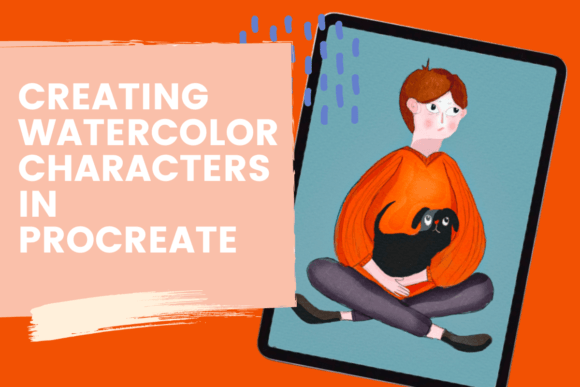
In this comprehensive guide, we explore how Bryan, an experienced digital artist, demonstrates this exact process. He shows you how he created a charming character using a specialized watercolor painting technique entirely within Procreate. Yes, that is right, this is all created in Procreate, and you can make it too. The appeal lies not just in the final image, but in the accessibility of the process. By demystifying the technical aspects of digital watercolor, Bryan opens the door for hobbyists, professional designers, and entrepreneurs to incorporate this soft, inviting style into their portfolios.
The Rise of Organic Digital Aesthetics
We are currently witnessing a cultural pivot away from the overly polished, vector-perfect graphics that dominated the early 2010s. Modern audiences, whether they are consumers of greeting cards, followers of social media influencers, or buyers of independent merchandise, crave authenticity. There is a growing preference for art that shows the "hand of the artist"—imperfections, texture, and fluidity. This trend aligns with broader lifestyle shifts where people value craftsmanship and individuality over mass-produced uniformity.
For creators and business owners, understanding this shift is crucial. A character designed with a watercolor effect communicates warmth, approachability, and creativity. It stands out in a feed saturated with flat design and rigid corporate branding. However, achieving this look traditionally requires significant setup, cleanup, and material costs. Digital watercolor removes these barriers while retaining the visual language that resonates with contemporary viewers. It allows for rapid iteration, which is essential in today’s fast-paced content economy.
Mastering the Technique: Tools and Textures
One of the most common misconceptions about digital painting is that it requires expensive, proprietary brushes to achieve realistic results. In reality, the key to Creating Watercolor Characters in Procreate lies in understanding layer interactions and texture mapping. Bryan’s approach simplifies this by providing all necessary materials for free. In his class, he provides sketch brushes and paper textures that are specifically calibrated to enhance the watercolor effect.
These resources are not just add-ons; they are foundational to the technique. The paper texture serves as the canvas, breaking up the digital uniformity and allowing colors to "bleed" visually in a way that mimics real pigment absorption. The sketch brushes offer the necessary resistance and variation in line weight, preventing the artwork from looking sterile. By starting with high-quality assets, learners can focus on the artistic decisions rather than fighting the software.
- Custom Brushes: Designed to replicate the flow and opacity of wet paint.
- Paper Textures: High-resolution overlays that add grain and tooth to the digital canvas.
- Layer Blending Modes: Utilizing multiply and overlay modes to simulate transparency.
Balancing Color and Contrast for Depth
Watercolor is often misunderstood as a medium of only light, airy washes. While translucency is its hallmark, effective character design requires strong structural integrity. This is where the skill of balancing color and creating good contrast and shading comes into play. Without proper contrast, a digital watercolor character can appear washed out and lack definition, failing to engage the viewer.
Bryan teaches how to build depth gradually. Instead of applying flat colors, the technique involves layering translucent washes to build saturation. Darker values are reserved for shadows and defining features, giving life to the character. This method ensures that the character pops against the background while maintaining the soft edges characteristic of watercolor. It is a delicate balance: too much contrast, and you lose the watercolor feel; too little, and the character disappears.
This principle applies beyond just character art. Whether you are designing logos, book covers, or marketing materials, understanding how to create volume through subtle shading is a transferable skill. It trains the eye to see light and form, enhancing overall artistic competence.
Practical Applications and Commercial Viability
Why invest time in learning this specific style? The answer lies in versatility. The technique taught by Bryan is completely customizable and can be used in your future projects across various mediums. Because the final output is a high-resolution digital file, it bridges the gap between screen and print seamlessly.
Consider the practical implications for different professionals:
- Entrepreneurs and Small Business Owners: You can create unique branding elements that stand out. Imagine a logo or mascot that looks hand-painted, adding a touch of artisanal quality to your brand identity.
- Print-on-Demand Sellers: The soft aesthetic of watercolor characters performs exceptionally well on physical products. You can print it out like a greeting card and put it on your mug, tote bags, or t-shirts. The texture translates beautifully to fabric and paper, offering a premium feel without the premium production cost of traditional painting.
- Educators and Content Creators: Custom characters can be used to illustrate blog posts, educational materials, or social media content, making complex topics more approachable and engaging.
The ability to iterate quickly means you can test different color palettes or character expressions without repainting from scratch. This efficiency is invaluable for freelancers working with tight deadlines or clients who require multiple revisions.
A Fun and Accessible Creative Journey
Art should not be intimidating. One of the core philosophies behind this tutorial is that creativity thrives in a low-pressure environment. As always, it is going to be a fun and exciting project, so join in and start creating. The learning curve is gentle because the focus is on enjoyment and exploration rather than rigid perfectionism.
For adults returning to art after a long hiatus, or professionals looking to expand their skill set, this approach offers a refreshing break from technical rigidity. It encourages experimentation. What happens if you increase the water flow? How does the character change if you swap the warm tones for cool blues? These questions drive the creative process forward.
Moreover, the community aspect of sharing these creations cannot be overstated. When you create something unique using these techniques, you contribute to a broader movement of digital artisans who are redefining what is possible with tablets and styluses. It fosters a sense of connection among creators who value both tradition and innovation.
Getting Started with Your First Character
To begin your journey in Creating Watercolor Characters in Procreate, start by downloading the provided resources. Familiarize yourself with the brush settings and spend a few minutes experimenting with the paper texture. Do not worry about creating a masterpiece immediately. Start with simple shapes and basic forms.
Focus on the flow of the paint. Let the digital brush do some of the work for you. Observe how the colors blend on the textured surface. As you gain confidence, introduce more complex shading and details. Remember, the goal is to give life to the character through careful attention to light and shadow.
This technique is not just a trend; it is a sustainable skill that adds value to your creative toolkit. Whether you are looking to monetize your art, enhance your professional portfolio, or simply enjoy the therapeutic benefits of painting, this method offers a robust framework for success. By combining the freedom of digital tools with the soul of traditional watercolor, you unlock a new dimension of creative expression.
Embrace the process. Download the brushes, load the texture, and let your imagination flow. The digital canvas is waiting, and with the right guidance, you will find that creating beautiful, watercolor-style characters is not only achievable but deeply rewarding.