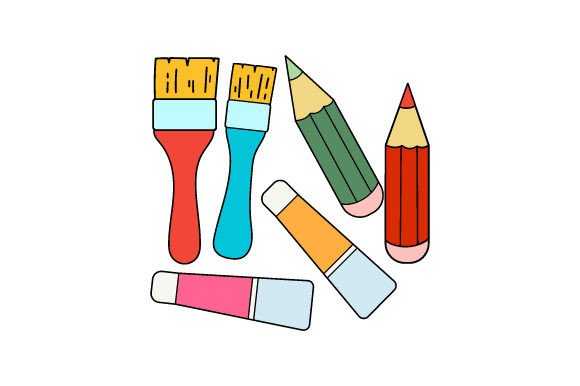
Unlocking Creativity: A Comprehensive Guide to Assorted Pencils, Paint Tubes, and Brushes
In the vast landscape of artistic expression, few tools are as fundamental or as versatile as the classic trio of assorted pencils, paint tubes, and brushes. Whether you are a seasoned professional illustrator, a hobbyist looking to unwind after work, or a parent introducing a child to the joys of creation, understanding these materials is the first step toward mastering your craft. This guide explores the significance of these essential supplies, clarifies common misconceptions, and explains how they fit into modern creative workflows, from traditional sketching to digital design preparation.
The Foundation: Why Assorted Pencils Matter
Pencils are often underestimated as mere writing instruments, but in the hands of an artist, they become powerful tools for shading, texturing, and structural planning. An assorted pencil set typically includes a range of graphite hardness levels, denoted by the H (hard) and B (black/soft) scale. Understanding this spectrum is crucial for any beginner.
- H Pencils: These contain more clay and less graphite, resulting in lighter, sharper lines that are ideal for technical drawings and initial sketches that need to be erased easily.
- B Pencils: With more graphite and less clay, these produce darker, richer marks. They are perfect for shading, creating depth, and adding dramatic contrast to your work.
- HB and F: Sitting in the middle, these offer a balance suitable for general writing and everyday sketching.
Beyond graphite, assorted sets often include charcoal pencils for bold, expressive strokes, or colored pencils for adding vibrancy without the mess of wet media. The tactile feedback of pencil on paper provides a direct connection between thought and action, making it an indispensable tool for brainstorming and conceptualizing ideas before moving to more permanent mediums.
Exploring Color: The Role of Paint Tubes
While pencils define structure, paint brings life. Paint tubes are the standard vessel for oil, acrylic, and watercolor paints, offering convenience, longevity, and consistent quality. Unlike pan sets or jars, tubes allow artists to mix custom colors on a palette, providing unlimited possibilities for hue and saturation.
Choosing the Right Medium
Not all paint tubes are created equal. The binder used in the paint determines its behavior and best use cases:
- Acrylics: Water-based, fast-drying, and versatile. Acrylics are excellent for beginners because they are forgiving; mistakes can be painted over once dry. They adhere to almost any surface, including canvas, wood, and paper.
- Oils: Known for their rich texture and slow drying time, oil paints allow for extended blending and reworking. They are favored by traditionalists for their luminous depth but require solvents for cleanup.
- Watercolors: Often sold in tubes for intense pigment concentration, watercolors rely on transparency and fluidity. They are ideal for capturing light and atmosphere but require a steady hand and planning, as errors are difficult to correct.
Using high-quality paint tubes ensures that pigments remain vibrant over time, resisting fading and cracking. For those interested in commercial art or illustration, understanding how these paints interact with different surfaces is key to producing durable, professional-grade work.
The Extension of Your Hand: Selecting the Right Brushes
If paint is the voice, the brush is the vocal cord. The type of brush you choose dramatically affects the outcome of your artwork. Brushes vary by shape, size, and bristle material, each serving a specific purpose in the creative process.
Natural hair brushes, such as sable or squirrel, hold more water and provide a smooth flow, making them ideal for watercolors and fine detailing. Synthetic brushes, on the other hand, are durable, affordable, and work exceptionally well with acrylics and oils due to their stiffness and resilience. Common shapes include:
- Round brushes: Versatile tools capable of creating both thin lines and broad washes depending on pressure.
- Flat brushes: Perfect for covering large areas, creating sharp edges, and applying bold strokes.
- Filbert brushes: A hybrid of round and flat, these are excellent for blending and creating soft, organic shapes.
Maintaining your brushes is just as important as selecting them. Proper cleaning and storage extend their lifespan, ensuring that every stroke remains precise and controlled. For educators and parents, teaching children how to care for their brushes instills discipline and respect for their tools.
From Traditional to Digital: The Modern Relevance
In an era dominated by digital tablets and styluses, one might question the relevance of physical art supplies. However, traditional media like cartoon and assorted pencils, paint tubes, and brushes remain vital. Many digital artists begin their process with traditional sketches to capture the organic feel that software sometimes lacks. Furthermore, the sensory experience of mixing paints or feeling the resistance of pencil on paper offers therapeutic benefits that screen-based activities cannot replicate.
For businesses and educators, incorporating these tools into workshops or team-building exercises fosters creativity and problem-solving skills. The tactile nature of these materials encourages experimentation and risk-taking, which are essential components of innovation. Whether you are designing a logo, illustrating a children's book, or simply relaxing with a sketchpad, these tools provide a tangible connection to the creative process.
Common Misconceptions Clarified
There are several myths surrounding art supplies that can hinder beginners. One common assumption is that expensive materials are necessary for good art. While quality matters, skill and practice are far more significant. A master artist can create stunning work with basic student-grade supplies, while a novice may struggle with professional-grade materials due to lack of technique.
Another misunderstanding is that certain mediums are "too difficult" for beginners. In reality, each medium has a learning curve, but all are accessible with patience and guidance. Starting with an assorted set allows you to experiment without committing to a single style, helping you discover what resonates with your personal artistic voice.
Practical Tips for Getting Started
To make the most of your assorted pencils, paint tubes, and brushes, consider the following practical advice:
- Start Small: You do not need every color or brush size. Begin with a limited palette and a few essential brushes to learn mixing and control.
- Experiment Freely: Use scrap paper to test how different pencils shade or how paints blend. This reduces anxiety about making mistakes on your final piece.
- Invest in Paper: The surface you work on is as important as the tools. Heavyweight paper handles wet media better, while smooth paper is ideal for detailed pencil work.
- Keep a Sketchbook: Regular practice builds muscle memory and confidence. Document your progress to see how your skills evolve over time.
Conclusion
Assorted pencils, paint tubes, and brushes are more than just supplies; they are gateways to self-expression and creative exploration. By understanding their unique properties and potential, you can unlock new levels of artistic achievement. Whether you are drawn to the precision of graphite, the vibrancy of acrylics, or the fluidity of watercolors, these tools offer endless opportunities for growth and enjoyment. Embrace the process, enjoy the mess, and let your creativity flow.
For those looking to integrate these designs into digital projects or merchandise, remember that versatility is key. You will receive this design in the following formats: SVG File, Transparent PNG, EPS, and DXF. These formats ensure compatibility with various software and printing needs, allowing you to seamlessly transition from traditional inspiration to digital execution.