Sewing a Pencil Brush Fabric Wrap Case
There is a distinct satisfaction in holding a tool that feels like an extension of your own hand. For artists, writers, and designers, the instruments we use daily are not merely objects; they are partners in our creative process. Yet, these delicate tools often suffer from disorganized storage. Loose brushes fray in crowded drawers, and fine-tip pens roll off desks, risking irreversible damage. This is where the humble yet ingenious fabric wrap case enters the scene. It is more than just a container; it is a portable studio, a protective shield, and a statement of personal style.
Cloudia, a seasoned fashion and lifestyle accessory designer from India, understands this intersection of utility and aesthetics deeply. She advocates for the handmade approach, guiding creators through the process of sewing their own wrap cases. By taking control of the construction, you move beyond mass-produced, generic solutions. You gain the ability to select fabrics that resonate with your personality, choose dimensions that fit your specific toolkit, and create an object that brings joy every time you unroll it.
The Art of Organized Mobility
A wrap case is an ideal solution for anyone who values mobility without sacrificing organization. Unlike rigid boxes or bulky bags, a fabric wrap is lightweight, flexible, and compact. When rolled up, it takes up minimal space in a backpack or tote bag. When unrolled, it provides immediate access to every tool, laid out in a logical order that supports your workflow.
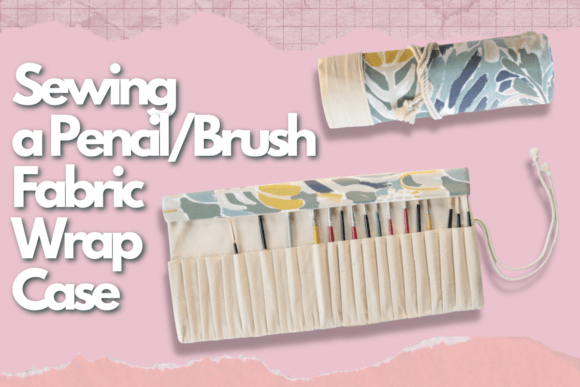
The beauty of Sewing a Pencil Brush Fabric Wrap Case lies in its simplicity and adaptability. The basic structure consists of a base panel with individual slots or loops for each item, covered by a flap that folds over and ties securely. This design protects delicate tips from knocking against each other while keeping the tools visible and accessible. For watercolorists, this means keeping natural hair brushes in perfect shape. For illustrators, it ensures that micron pens and mechanical pencils remain capped and ready for use.
Customization as Creative Expression
One of the most compelling reasons to sew your own case is the endless potential for customization. Cloudia emphasizes that stitching your own fabric wrap allows you to choose prints based on your preferences, enabling a sense of personalized touch that store-bought items rarely offer. Consider the following creative directions:
- Fabric Selection: Choose durable cotton canvas for a rugged, utilitarian look, or opt for vibrant batik prints to reflect cultural heritage. For a sleek, modern aesthetic, consider linen blends or muted tones that complement a minimalist workspace.
- Functional Add-ons: Integrate small pockets for erasers, sharpeners, or blending stumps. Add a zippered compartment for loose items like ink cartridges or small tubes of paint.
- Closure Mechanisms: While traditional ties are classic, you might experiment with leather straps, magnetic snaps, or button closures for a different tactile experience.
This level of customization ensures that the case is not just functional but also a reflection of your identity as a creator. It becomes a piece of art in itself, inspiring you to create even before you pick up a brush.
Practical Applications for Diverse Creators
While the primary audience for these cases includes painters and illustrators, the utility of a well-made wrap extends far beyond the art studio. Different professionals can adapt the design to suit their specific needs:
For Educators and Workshop Leaders
Teachers who conduct art workshops or writing seminars can benefit from standardized wrap cases for their students. Providing a uniform, organized kit helps maintain focus and reduces time spent searching for supplies. Cloudia’s easy-to-follow method makes it feasible to produce multiple units efficiently, ensuring consistency across a classroom setting.
For Traveling Professionals
Freelancers and digital nomads often need to carry essential tools between co-working spaces or client meetings. A compact wrap case fits easily into a laptop bag, keeping sketching tools or presentation markers organized and protected during transit. The soft fabric also acts as a buffer against the rigors of travel.
For Gift Givers
A handmade fabric wrap makes a thoughtful, high-value gift for aspiring artists or hobbyists. It shows care and attention to detail, offering both practical utility and emotional warmth. Personalizing the fabric choice to match the recipient’s taste adds an extra layer of meaning.
Mastering the Construction Process
Cloudia has put her best efforts into explaining everything from the beginning to the finished product in an easy-to-follow method so you won’t be hassled in following this class. Her approach demystifies the sewing process, breaking it down into manageable steps that accommodate various skill levels. Whether you are a novice with a basic understanding of straight stitches or an experienced seamster looking for a quick project, the guidance provided ensures clarity and confidence.
The process typically begins with measuring your tools to determine the required width and height of the slots. Precision here is key to ensuring a snug fit that holds tools securely without being too tight. Next, selecting and cutting the fabric requires attention to grain and pattern alignment, especially if using directional prints. Sewing the slots involves careful topstitching to create durable channels, while attaching the backing and flap requires reinforcing stress points to withstand repeated rolling and unrolling.
Throughout the tutorial, emphasis is placed on neatness and durability. Clean seams and secure knots ensure that the case lasts for years, enduring the wear and tear of daily use. This focus on quality craftsmanship elevates the project from a simple DIY task to a professional-grade accessory.
Why Handmade Matters in a Digital Age
In an era dominated by digital tools and mass production, there is a growing appreciation for tangible, handmade objects. Sewing your own wrap case connects you to the material world, reminding you of the value of craft and patience. It encourages mindfulness, as each stitch contributes to the final product’s integrity. Moreover, it promotes sustainability by allowing you to use scrap fabrics or upcycle old garments, reducing waste and environmental impact.
Furthermore, the act of creating your own storage solution fosters a deeper respect for your tools. When you invest time and effort into protecting your brushes or pens, you are more likely to treat them with care, extending their lifespan and enhancing your creative output. This holistic approach to creativity—where the process of making is as important as the final artwork—is at the heart of Cloudia’s philosophy.
Getting Started with Your Project
If you like creating things yourself, join now and sew your own fabric wrap case. Start by gathering your materials: a selection of fabrics, matching thread, scissors, pins, and a sewing machine or needle for hand stitching. Take inventory of your tools to determine the size and number of slots needed. Sketch a simple layout, noting any additional features like pockets or special closures.
As you begin sewing, remember that perfection is not the goal; functionality and personal expression are. Embrace minor imperfections as marks of handmade authenticity. Let the rhythm of the sewing machine or the steady pull of the needle become a meditative practice. By the time you finish tying the final knot, you will have not only a practical tool organizer but also a sense of accomplishment and a deeper connection to your creative practice.
Ultimately, Sewing a Pencil Brush Fabric Wrap Case is about more than just storage. It is about curating your creative environment, protecting your valuable tools, and expressing your unique style. With Cloudia’s guidance, this project becomes an accessible, rewarding endeavor that enhances both your organizational efficiency and your artistic journey. Roll up your sleeves, choose your fabric, and start stitching your way to a more organized and inspired creative life.