Mastering the Brushed Metal Aesthetic
In the world of digital design and physical product manufacturing, texture is not merely a decorative afterthought; it is a fundamental communicator of quality. Among the myriad of finishes available to designers, brushed metal stands out as a timeless choice that bridges the gap between industrial durability and sleek modernity. Whether you are designing a high-end kitchen appliance interface, crafting a luxury brand identity, or creating a realistic backdrop for a tech product launch, understanding the nuances of this finish is essential.
The appeal of brushed metal lies in its subtle complexity. Unlike mirror-polished chrome, which can feel cold and overly reflective, or matte finishes that may appear flat, brushed metal offers a dynamic interplay of light and shadow. It suggests precision engineering and tactile sophistication. For professionals ranging from graphic designers to industrial engineers, leveraging this aesthetic can significantly enhance the perceived value of a project.
The Anatomy of a Realistic Metallic Texture
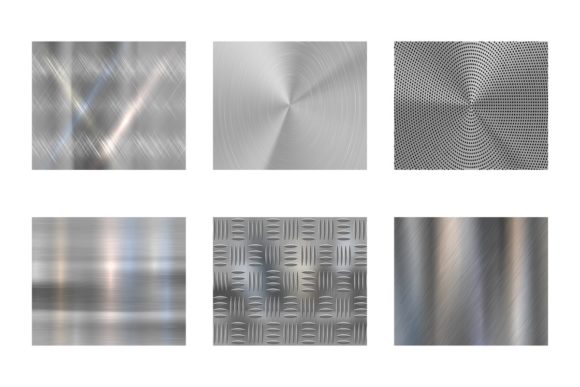
To effectively utilize brushed metal in your work, you must first understand what makes it visually distinct. The characteristic "brushed" look is created by abrasive belts or wheels that leave fine, parallel lines on the surface of the metal. In a digital context, replicating this requires more than just a gray gradient. A convincing steel metallic texture relies on the accurate simulation of these micro-scratches, which diffuse light rather than reflecting it directly.
When working with assets such as a polished chrome or silver metals shine realistic backdrop, attention to detail is paramount. The direction of the brush strokes dictates how light interacts with the surface. Horizontal brushing often conveys stability and width, while vertical brushing can suggest height and elegance. Furthermore, the material composition matters. Stainless steel, nickel, and aluminum each have unique color temperatures and reflectivity levels. Aluminum tends to be lighter and cooler, while stainless steel offers a deeper, more neutral gray tone. Nickel provides a warmer, slightly yellowish hue that can add a touch of vintage luxury.
Versatility Across Professional Domains
The utility of brushed metal extends far beyond simple background images. Its adaptability makes it a valuable asset across various professional and creative environments.
- Product Design and Mockups: For industrial designers, presenting a concept with a realistic stainless metal finish helps stakeholders visualize the final product. It adds a layer of realism that wireframes cannot achieve.
- Brand Identity and Marketing: Luxury automotive brands, high-end audio equipment manufacturers, and premium smartphone companies frequently use brushed aluminum aesthetics in their marketing materials to convey precision and durability.
- Web and UI Design: Incorporating subtle metallic textures into user interfaces can create depth and hierarchy. Buttons or panels with a slight metallic sheen can invite interaction without overwhelming the user.
- Architectural Visualization: Interior designers use these textures to represent fixtures, appliances, and accent walls, helping clients understand the tactile experience of a space before it is built.
Working with Vector and Raster Assets
When sourcing or creating these textures, you will typically encounter two primary file formats: JPEG and EPS. Understanding the difference is crucial for maintaining workflow efficiency and output quality.
A JPEG at 72ppi is ideal for web-based applications, digital presentations, and screen-only displays. It offers a lightweight file size that loads quickly, making it perfect for blog headers, social media graphics, or website backgrounds. However, its resolution limits its use in print. If you attempt to scale a 72ppi image for a large format print, it will pixelate and lose its crisp, professional appearance.
Conversely, an EPS10 file is a vector-based format. This is where the true power of digital design lies. Vector files are mathematically defined, meaning they can be scaled to any size without losing quality. An isolated vector background set allows for immense flexibility. If you need to separate elements, remove specific reflections, or edit the curvature of the metal panels, a vector editor like Adobe Illustrator is indispensable.
Using vector formats ensures that your chrome panels remain sharp whether they are printed on a business card or a billboard. This scalability is particularly beneficial for entrepreneurs and marketers who need to repurpose assets across multiple platforms without commissioning new designs for each size requirement.
Enhancing User Experience and Perception
Beyond aesthetics, the choice of texture influences user perception and experience. In psychology of design, materials carry semantic weight. Brushed metal is associated with cleanliness, hygiene, and technological advancement. This is why it is prevalent in medical equipment, commercial kitchens, and consumer electronics.
For educators and publishers, using high-quality metallic textures in instructional materials can help illustrate concepts related to physics, engineering, and material science. It provides a visual anchor that makes abstract concepts more tangible. For bloggers and content creators, a well-chosen metallic backdrop can elevate the production value of thumbnails and featured images, leading to higher engagement rates.
Moreover, the neutrality of silver and steel tones makes them excellent companions for a wide range of color palettes. They do not compete with foreground elements but instead provide a sophisticated stage that allows products or text to stand out. This balance is critical in communication design, where clarity and impact are key objectives.
Practical Considerations for Implementation
While the benefits are clear, implementing brushed metal textures requires a strategic approach. Here are some practical tips for getting the most out of these assets:
- Lighting Consistency: Ensure that the lighting direction in your metallic texture matches the lighting in your overall composition. Mismatched highlights can break the illusion of realism.
- Subtlety is Key: Avoid overusing heavy metallic effects. In UI design, too much shine can distract users. Use brushed metal as an accent rather than a dominant feature unless the context specifically calls for it.
- File Management: Keep both raster and vector versions of your assets organized. Use the EPS files for master designs and export optimized JPEGs or PNGs for final delivery to clients or web upload.
- Contextual Relevance: Consider the industry norms. While brushed metal works well for tech and luxury goods, it might feel out of place in organic, eco-friendly, or handcrafted brand narratives.
In conclusion, the brushed metal aesthetic is more than a trend; it is a staple of modern design language. By understanding its characteristics and leveraging the right file formats, professionals can create compelling, high-value visuals that resonate with audiences. Whether you are editing an isolated vector background set or selecting a polished chrome backdrop, the goal remains the same: to communicate quality, precision, and professionalism through every pixel and path.