Brushed Oblique Native American Canoe: A Designer’s Guide to Authentic Vector Art
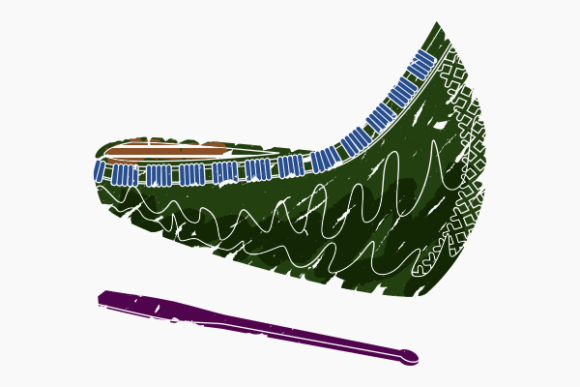
In the realm of digital design, finding assets that balance historical authenticity with modern aesthetic appeal is a constant challenge. The Brushed Oblique Native American Canoe represents a unique intersection of cultural heritage and contemporary graphic style. This specific illustration offers a three-quarter front side oblique view, rendered in expressive brush strokes that evoke the organic textures of wood, water, and handcrafted tradition. For designers, educators, and content creators, this asset is more than just a clipart image; it is a versatile tool for storytelling.
Whether you are developing educational materials about indigenous history, creating branding for an outdoor adventure company, or designing packaging for eco-friendly products, understanding how to leverage this vector resource can significantly elevate your project. This article explores the practical applications of the Brushed Oblique Native American Canoe, addressing common design challenges and providing actionable advice on implementation using industry-standard tools like Inkscape.
Understanding the Visual Appeal and Cultural Context
The term "brushed" refers to the artistic technique used in the illustration. Unlike clean, geometric vector lines, brush strokes mimic the imperfections and fluidity of hand-painted art. This style adds warmth and humanity to digital designs, making them feel less corporate and more approachable. The "oblique" angle is equally important. A three-quarter front side view provides depth and dimension, allowing viewers to see both the interior structure of the canoe and its sleek exterior profile. This perspective is dynamic and engaging, far superior to flat side profiles which can appear static.
When incorporating a Native American canoe into your work, it is crucial to approach the subject with respect and accuracy. These vessels were engineering marvels, crafted from birch bark, dugout logs, or sewn planks, depending on the region and tribe. Using a high-quality vector illustration ensures that the proportions and details remain respectful and accurate, avoiding the caricatures often found in lower-quality stock imagery. The inclusion of a paddle in the illustration further grounds the image in reality, suggesting movement, travel, and human interaction with nature.
Solving Common Design Challenges
Designers often face specific hurdles when working with historical or cultural motifs. One major issue is scalability. Raster images (like JPEGs) become pixelated when enlarged, ruining the professional look of print materials. The Brushed Oblique Native American Canoe is provided as an editable SVG vector, which solves this problem entirely. Vectors use mathematical paths rather than pixels, meaning you can scale the image from the size of a business card to a billboard without any loss in quality.
Another challenge is customization. Pre-made illustrations rarely fit perfectly into every color scheme or layout. With this asset, you receive not only the SVG but also EPS, PDF, and high-resolution PNG files in a ZIP archive. This multi-format approach ensures compatibility across various software ecosystems. Whether you are using Adobe Illustrator, CorelDRAW, or the free and powerful Inkscape software, you have the flexibility to edit colors, adjust stroke weights, or isolate specific elements like the paddle or the hull.
Practical Applications for Different Industries
The versatility of the Brushed Oblique Native American Canoe allows it to serve diverse sectors. Here is how different professionals can utilize this asset effectively:
- Educational Publishers: History textbooks and interactive learning modules require visuals that engage students while maintaining factual integrity. The brushed style feels less sterile than photographic reproductions, making historical content more accessible to younger audiences. Teachers can use the editable vectors to create worksheets where students label parts of the canoe or map traditional trade routes.
- Tourism and Hospitality: Resorts, campsites, and tour operators focusing on nature and heritage can use this illustration in their branding. It evokes a sense of adventure, tranquility, and connection to the land. The oblique view works particularly well on websites and brochures, guiding the viewer’s eye into the scene.
- Eco-Friendly Brands: Companies promoting sustainability often draw parallels between modern environmentalism and traditional indigenous practices of living in harmony with nature. The canoe symbolizes low-impact transportation and respect for natural resources. Using this image on packaging or social media campaigns can reinforce these values visually.
- Museum and Cultural Centers: Exhibits related to transportation history or indigenous cultures need cohesive visual identities. This vector can be used for signage, ticket designs, and promotional posters, ensuring a consistent aesthetic that honors the subject matter.
Editing and Implementation Tips
To get the most out of your Brushed Oblique Native American Canoe asset, consider the following technical recommendations. While many designers prefer Adobe Illustrator, Inkscape is an excellent, open-source alternative that handles SVG files natively. Here is how to approach editing:
- Ungrouping Elements: Upon opening the SVG, you may find that the canoe, paddle, and background strokes are grouped together. Ungroup these elements to edit them individually. This allows you to change the color of the canoe hull independently from the paddle or the water effects.
- Adjusting Stroke Widths: The "brushed" effect relies on varying line weights. If the image looks too heavy for your layout, reduce the stroke width slightly. Conversely, if it needs to stand out against a busy background, increase the contrast by darkening the strokes.
- Color Palette Integration: Avoid using default bright colors. Instead, sample earth tones from your overall design palette—ochres, deep greens, slate blues, and browns. This ensures the canoe integrates seamlessly into your composition rather than looking like an afterthought.
- Layer Management: When importing the EPS or PDF into other software, keep the layers organized. Name your layers clearly (e.g., "Hull," "Paddle," "Shadows") to streamline future edits.
Considerations for Ethical and Effective Use
While the aesthetic value of the Brushed Oblique Native American Canoe is clear, ethical considerations are paramount. Designers should ensure that the context in which the image is used does not trivialize or misrepresent Native American culture. Avoid using the image in contexts that are disrespectful, stereotypical, or commercially exploitative without proper consultation or benefit-sharing if applicable.
Furthermore, consider the narrative you are building. Is the canoe depicted as a relic of the past, or as part of a living tradition? Pairing the image with accurate, respectful copy enhances its impact. For instance, instead of generic text about "old boats," provide information about the specific tribes known for canoe building, such as the Algonquian peoples, and their enduring legacy.
Maximizing File Utility
The attached ZIP file contains multiple formats for a reason. Use the SVG for web and screen-based projects where interactivity or scalability is needed. Use the EPS for professional printing processes where color separation might be required. The PDF is ideal for sharing proofs with clients who may not have specialized design software. Finally, the high-resolution PNG is perfect for quick insertion into presentations, social media posts, or word processing documents where vector editing is not necessary.
By understanding the strengths of each format, you can streamline your workflow and ensure that the Brushed Oblique Native American Canoe looks crisp and professional in every medium. This adaptability makes it a valuable addition to any designer’s resource library, bridging the gap between historical reverence and modern design efficiency.
In conclusion, the Brushed Oblique Native American Canoe is more than a decorative element; it is a functional, culturally significant asset that addresses the need for authentic, scalable, and editable design resources. By leveraging its unique brushed style and oblique perspective, and by utilizing tools like Inkscape for customization, you can create compelling visuals that resonate with audiences across education, tourism, and sustainable branding sectors. Approach the topic with care, edit with precision, and let the timeless elegance of the canoe enhance your creative narrative.